Plant milk vitamin D fortification: a processing roadmap
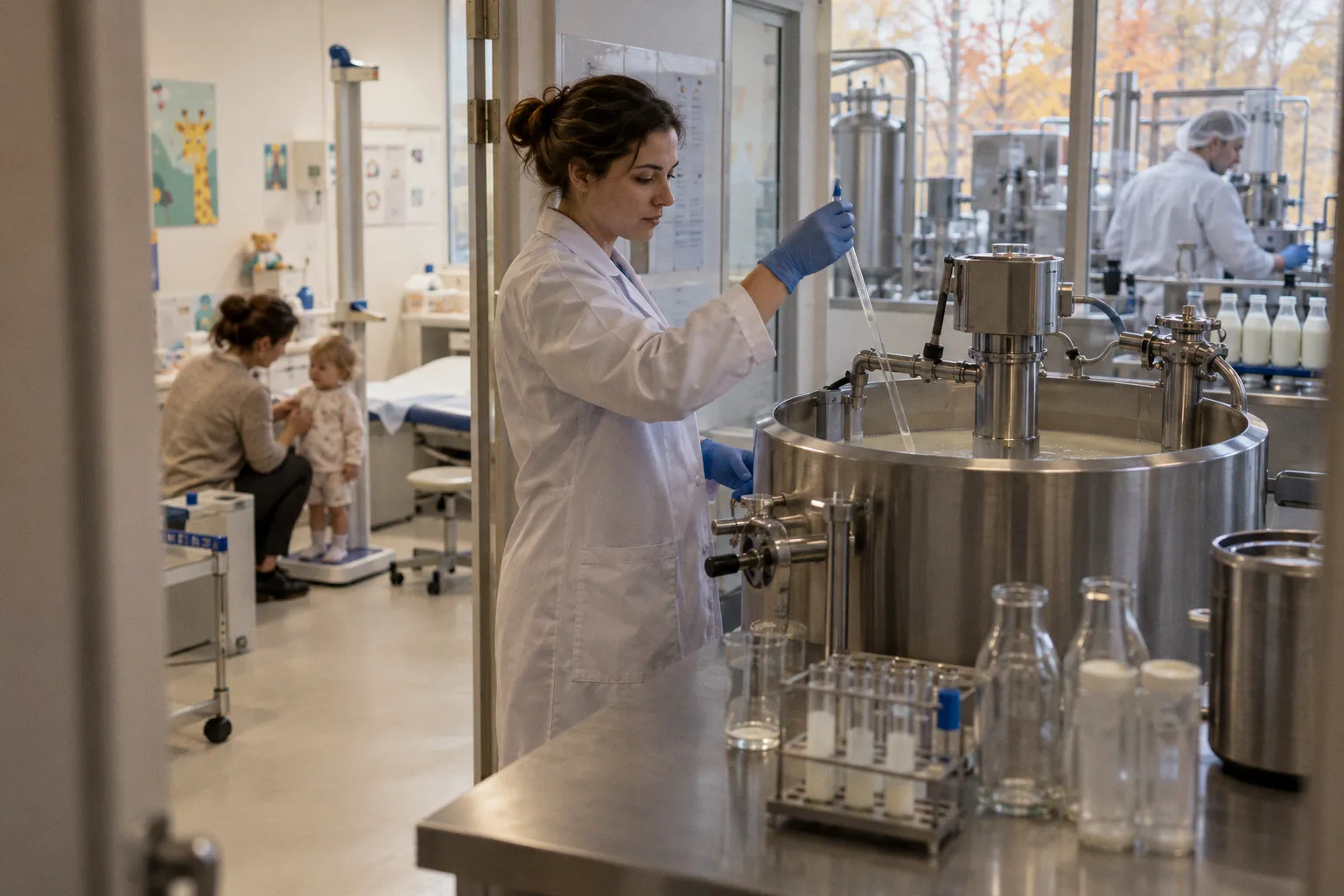
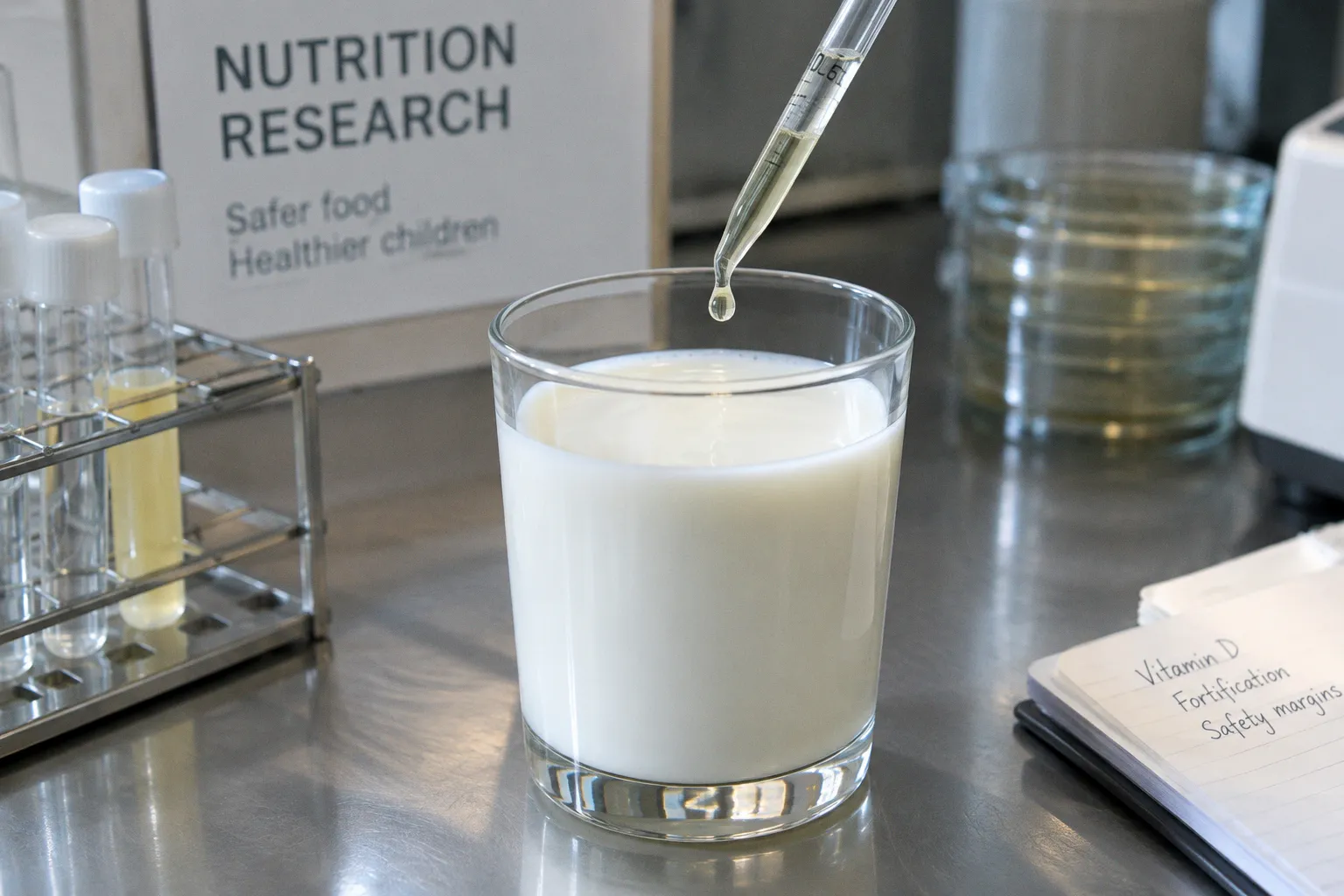
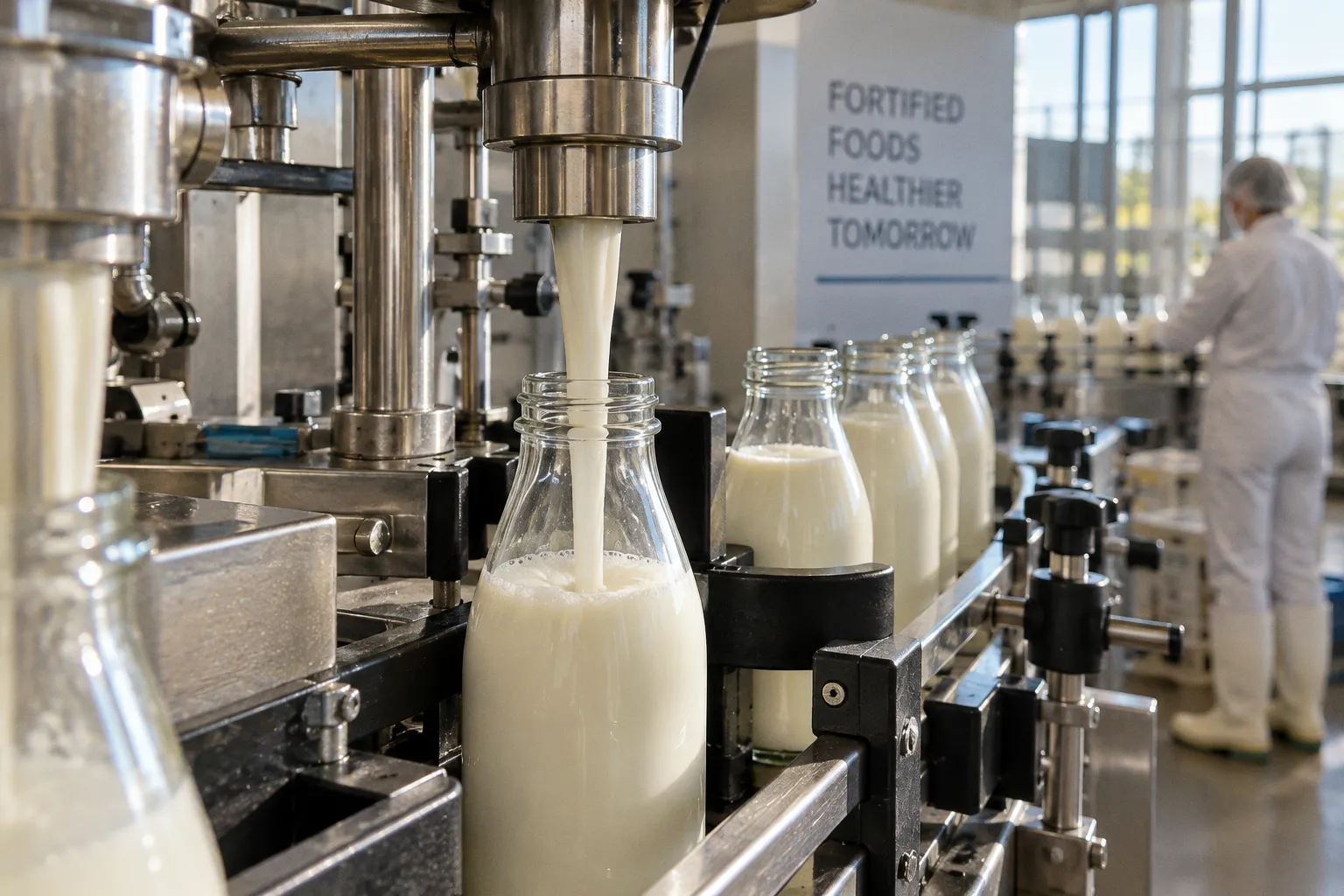
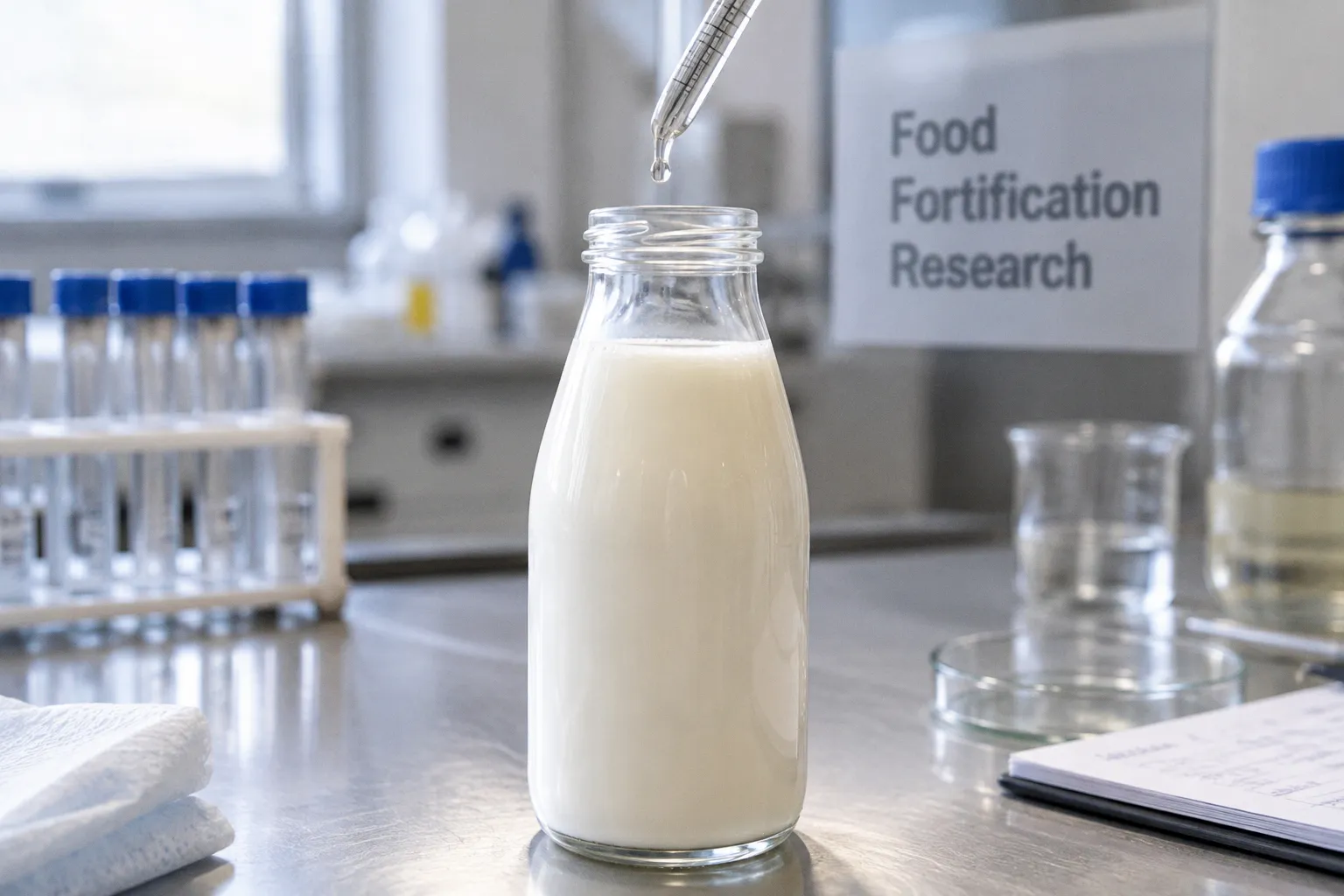
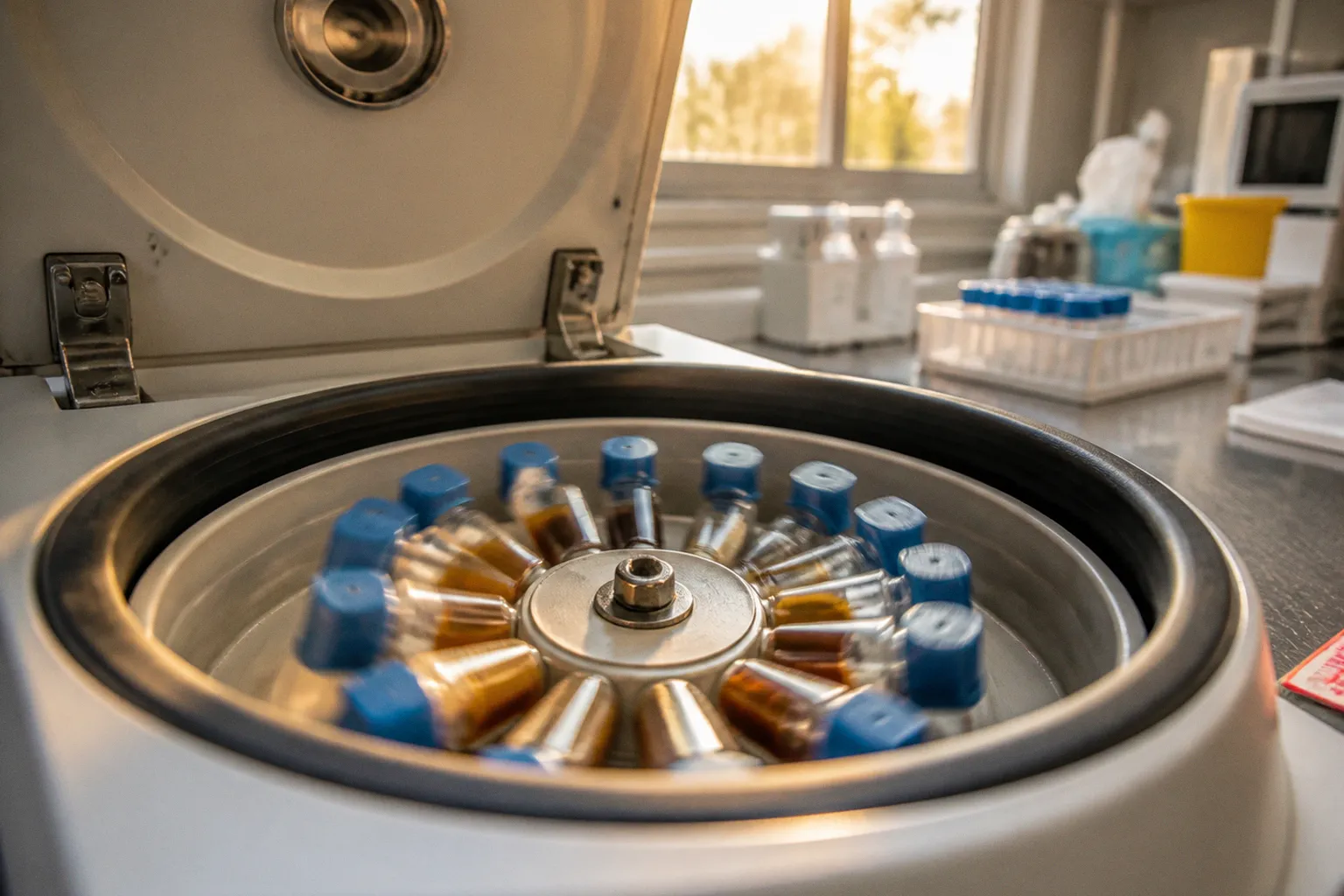
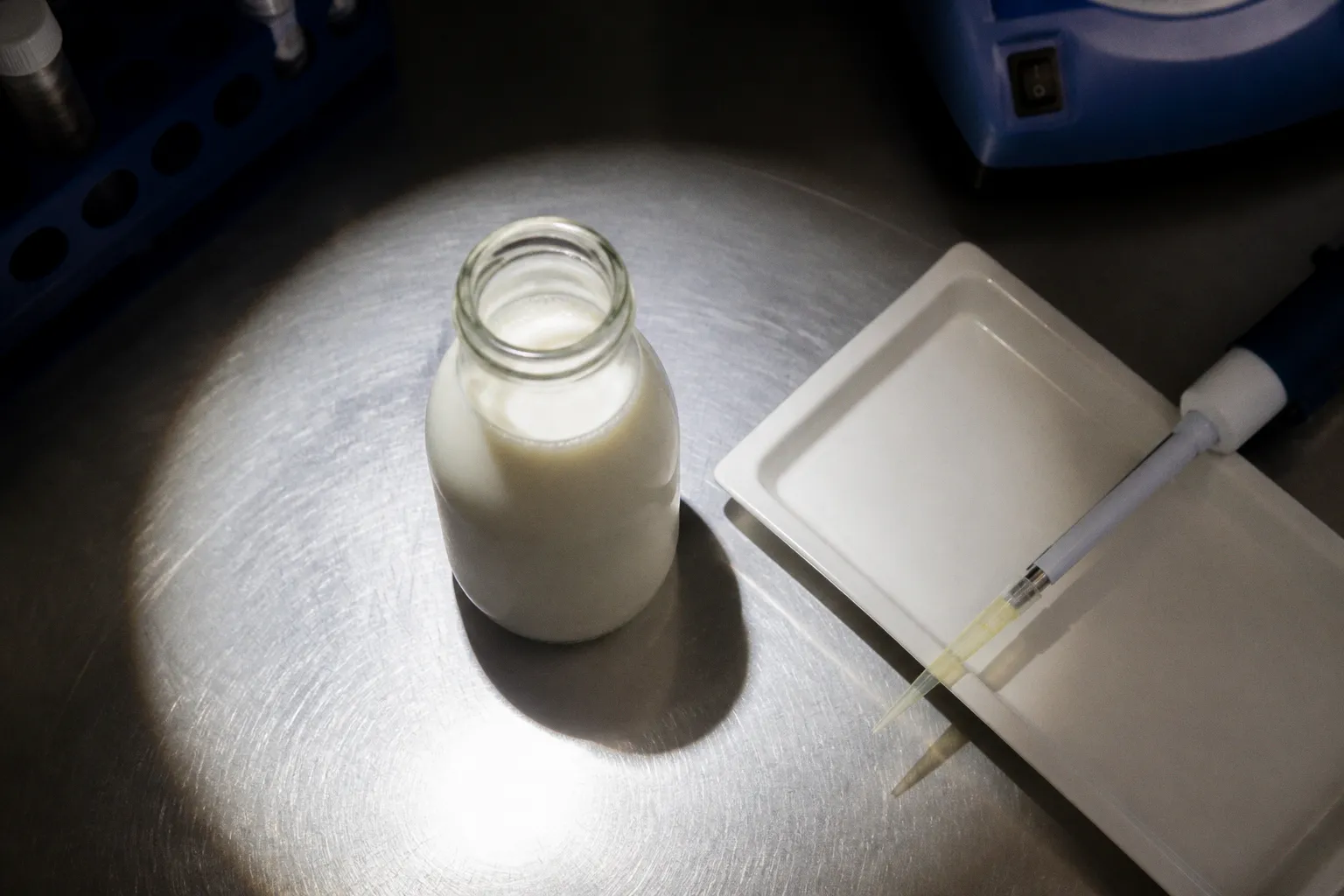
Vitamin D fortification in plant milk production is not primarily a heat-destruction problem.
Advancing the science of micronutrient policy.
Vitamin D fortification in plant milk production is not primarily a heat-destruction problem.
A routine baseline assumption in ethnic vitamin D research is easy to state and difficult to defend: apply one serum…
A single day of dietary data can make vitamin D intake look either reassuring or negligible, depending on what happened…
Vitamin D nutrition labeling compliance is no longer a voluntary disclosure issue in several major regulatory systems…
The wellness industry will tell you that vitamin D is an immune booster. Population-level clinical biochemistry…
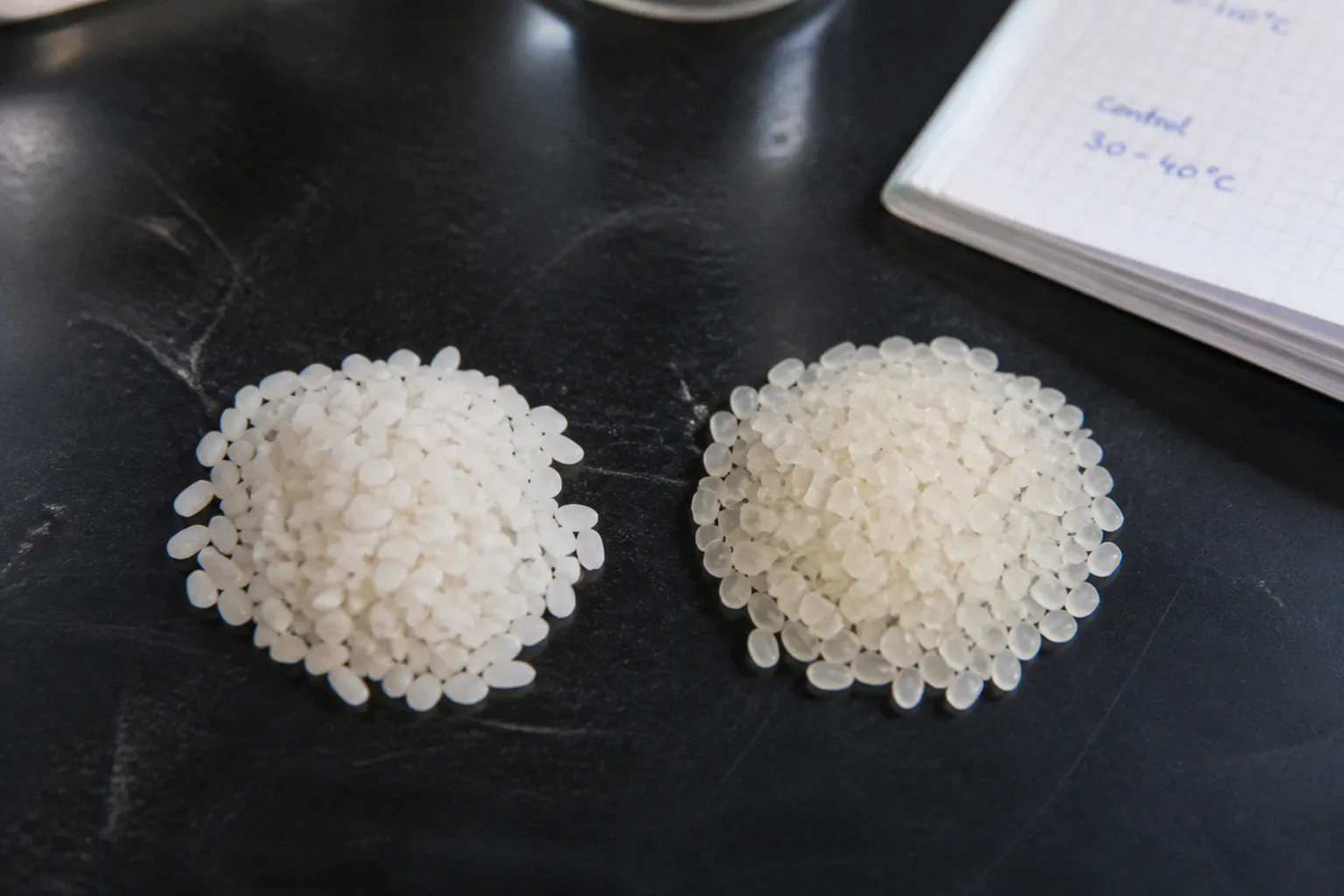
Vitamin D fortification can fail long before a fortified rice kernel reaches the household pot. The difficulty is not…
Vitamin D studies often treat outdoor time as a proxy for ultraviolet exposure. The proxy is weak. Participants round…
The assumption that every government already has a functioning vitamin D strategy is, plainly, a marketing construct…
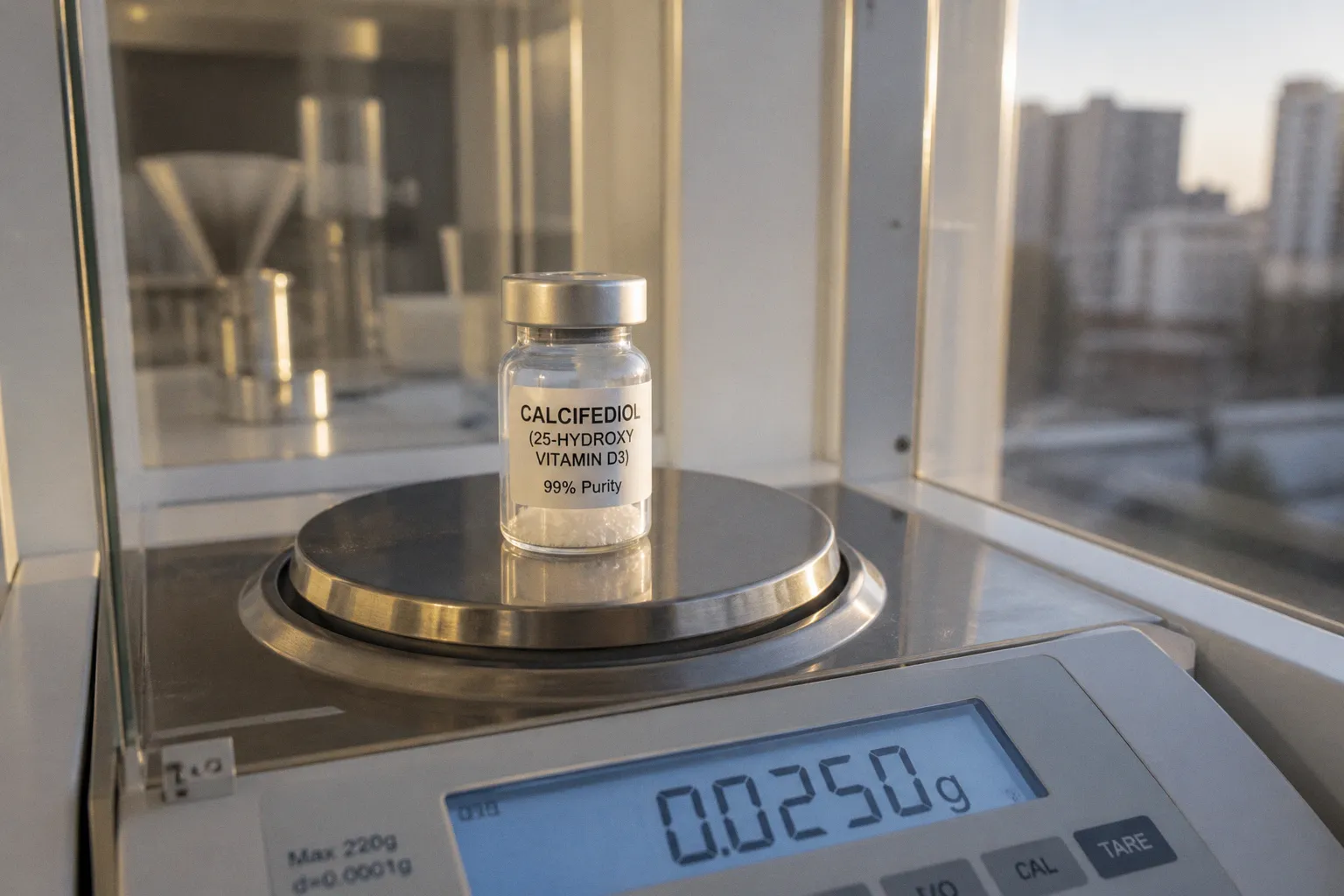
In vitamin D research, the choice between cholecalciferol and calcifediol is not a minor formulation detail. It…
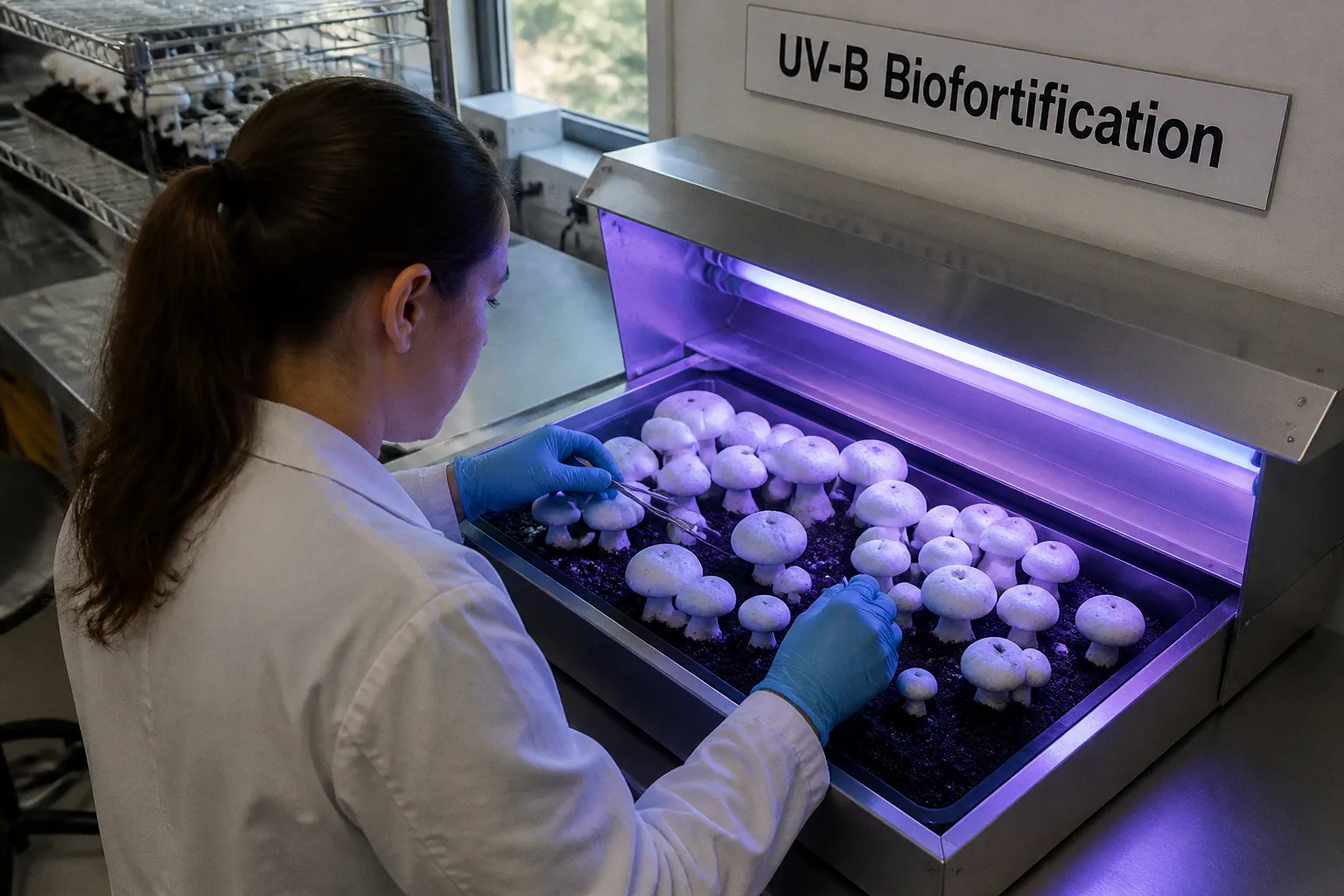
UV light mushroom biofortification is controlled by geometry before it is controlled by dose. In whole mushrooms…
The usual vitamin D recommendation — often expressed as a simple daily amount such as 400 IU, 800 IU, or occasionally…
Vitamin D fortification policy is often described as though the United States and the European Union were choosing…
Most researchers designing a vitamin D prevalence study still anchor the protocol to a single number — usually <20…
Most vitamin D health claim dossiers fail. EFSA has evaluated over 2,300 health claim applications since the adoption…
Here is the nutritional industry's favorite script: take 5,000 IU of cholecalciferol, watch serum 25-hydroxyvitamin D…
Vitamin D fortification can fail long before a consumer opens the package. The nutrient may be present in the…
Routine vitamin D testing in nursing homes is often treated as a basic quality-control measure. A resident enters…
Most national nutrition surveys treat vitamin D the way they treat sodium or fibre: ask what people ate, multiply the…
When vitamin D status is poor, the intestine may absorb only 10–15% of the calcium presented in food. Across more…
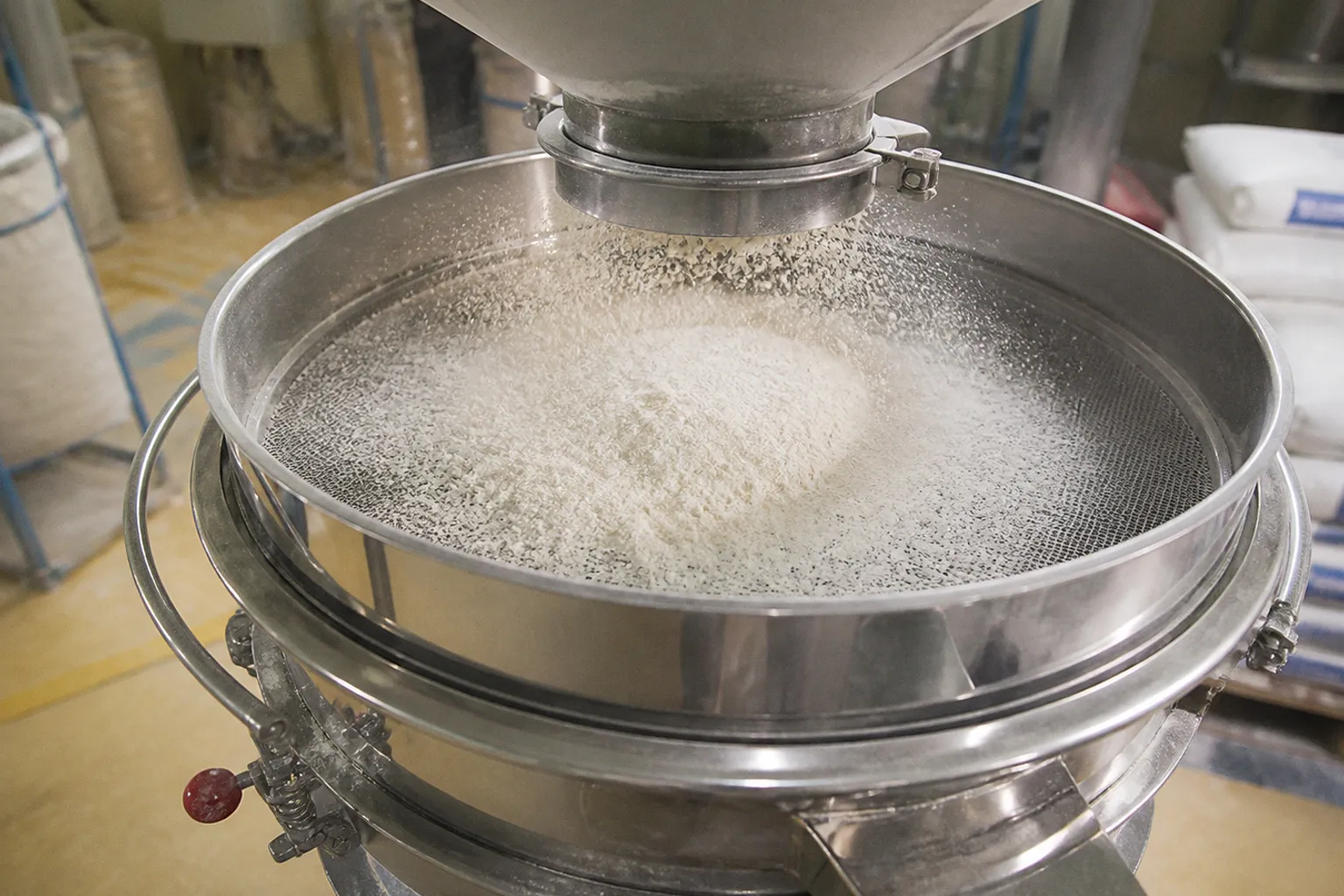
A standard wheat bread bake cycle at 200–210 °C for 30 minutes destroys 15% to 20% of the cholecalciferol activity…
The advice circulates with the confidence of folk wisdom: darker-skinned individuals struggling with low vitamin D…
Walk into any supermarket from Toronto to Turku and you will find the same quiet architecture of public health at work…
A cholecalciferol bioavailability trial can fail before the first dose is administered. The most common failure is not…
Vitamin D monitoring methods by demographic cannot be chosen responsibly from a single universal testing menu. The same…
Vitamin D fortification is controlled by a narrow safety margin. The regulatory problem is not simply how much vitamin…
Walk into any pharmacy and you will find the same pitch on the shelf: a single 50,000 IU or even 100,000 IU vitamin D…
The difference between a fortified dairy product that carries vitamin D3 reliably and one that loses part of its…
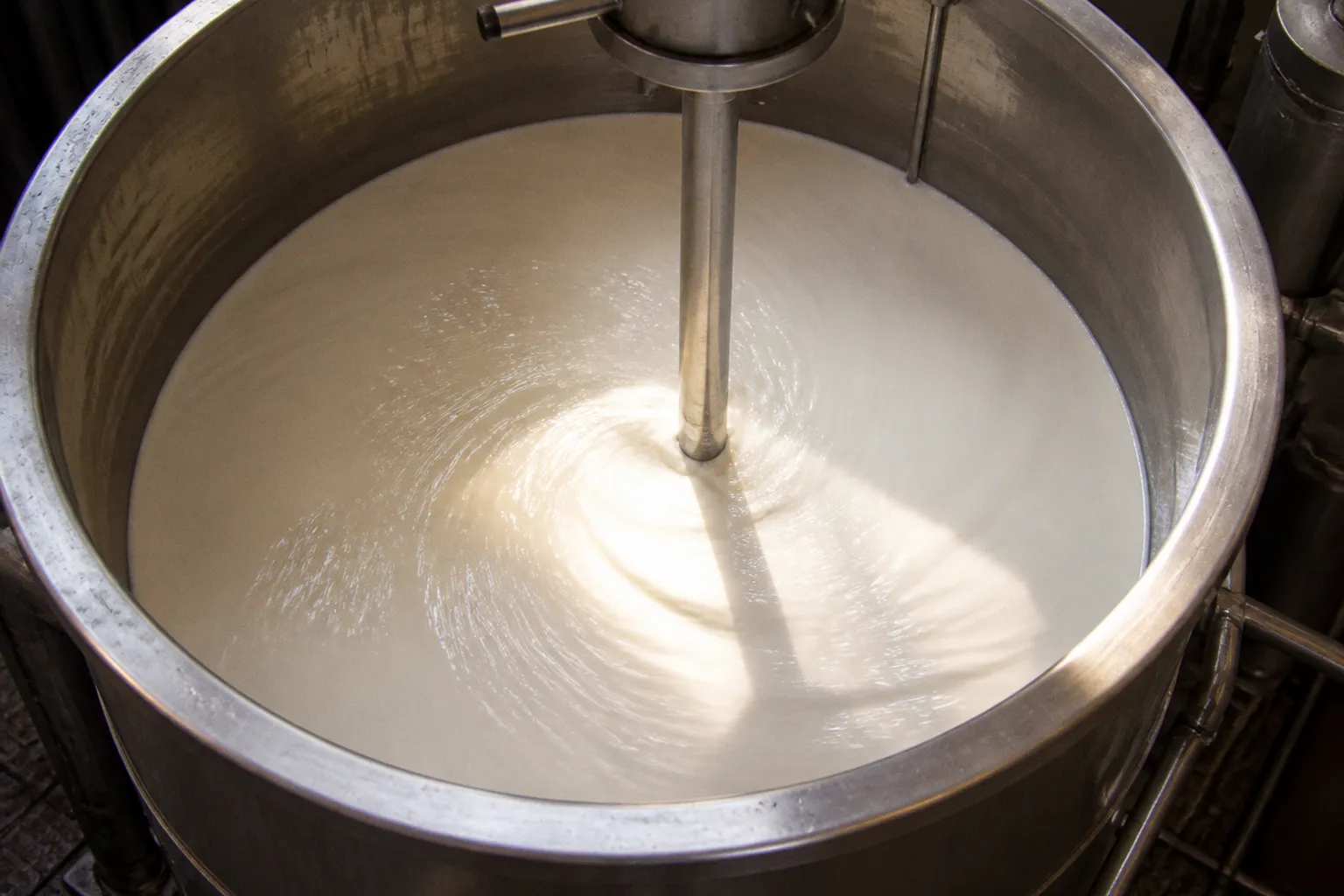
Vitamin D stability in fortified milk processing is governed less by pasteurization temperature than by distribution…
Vitamin D deficiency is often treated as if the main question were simply how many international units a person…
A vitamin D blood test is not a static measurement. Serum 25-hydroxyvitamin D [25(OH)D] changes across the year in…
"Adding vitamin D to food is straightforward," the supplement industry insists. Drop it into milk, watch the deficiency…